September 2026 for large enterprises and mid-sized companies, September 2027 for SMEs and micro-businesses. France has the most advanced timeline here, but e-reporting is a fundamental trend across Europe. The data to be produced, its structure, and its fiscal granularity will concern all European markets.
The entire burden falls on POS software publishers: their system must produce compliant data.
What e-reporting really is, and why the POS is at the centre
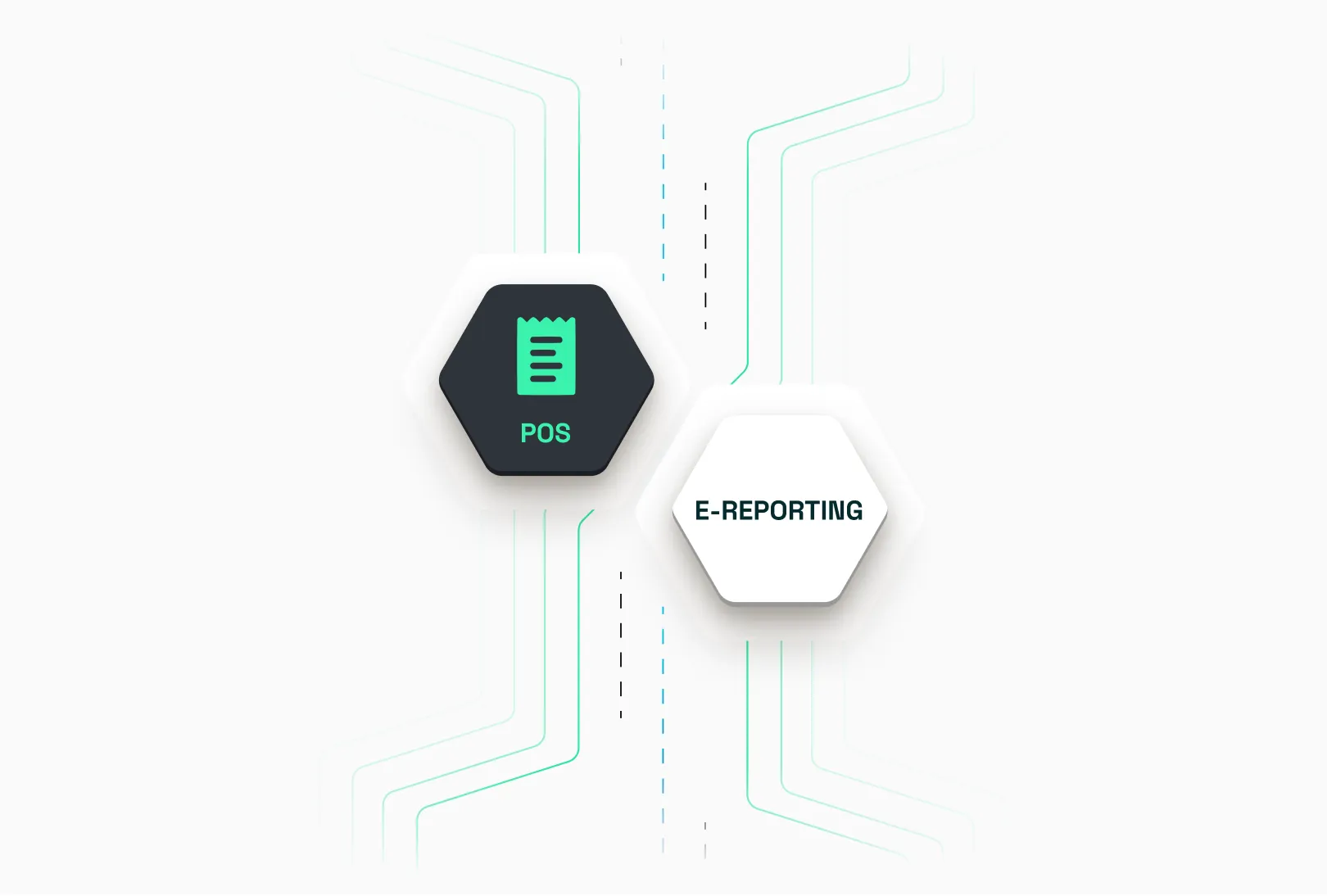
Unlike electronic invoicing between businesses, e-reporting covers all B2C sales, international B2B transactions, specific VAT schemes, and payment-related data. Everything that goes through a POS, in other words.
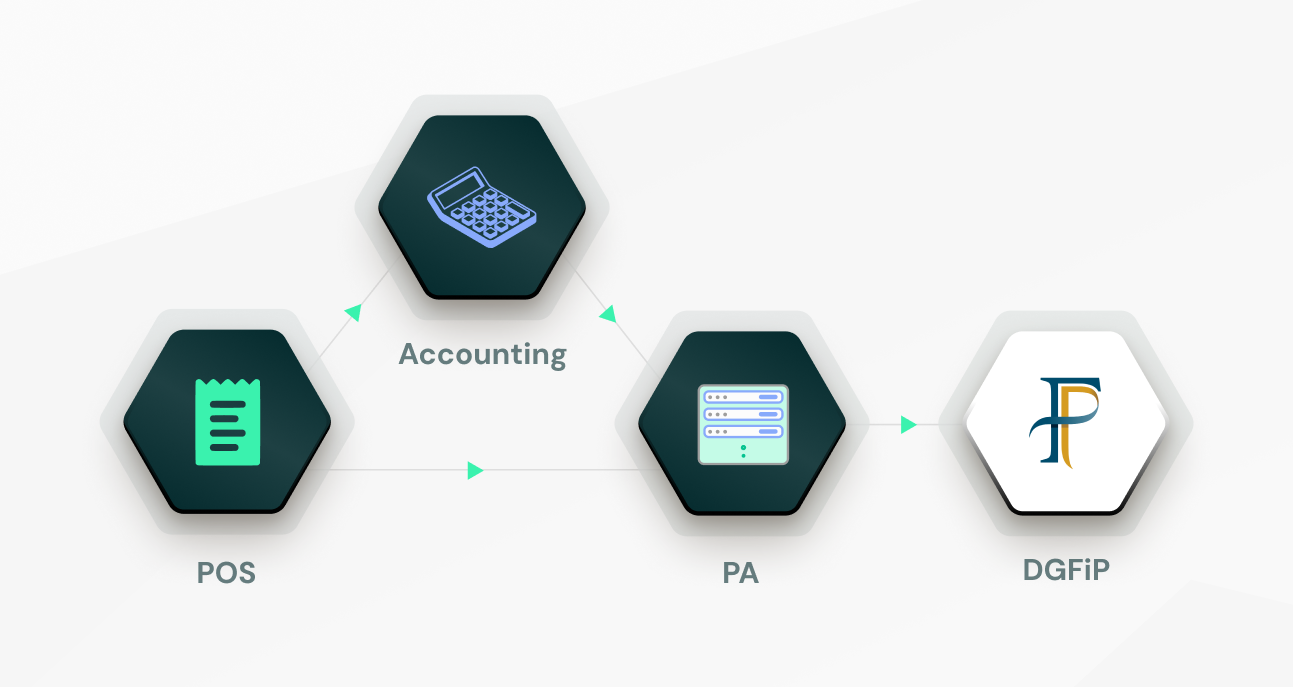
The transmission chain works as follows: data originates from the POS system, may pass through management software, and is then transmitted to an Accredited Platform (PA) which routes it to the DGFiP. If the POS does not produce structured, standardised, and fiscally accurate data from the outset, the entire chain collapses.
France has more than 4,000 POS solutions (only a portion of which are certified), each with its own data model and VAT processing logic. This fragmentation makes harmonisation not only necessary but urgent.
What many still don't realise: connecting to a PA is not enough
There is a common misconception that needs to be cleared up. A POS publisher might reasonably think: "I connect to an Accredited Platform, my data goes to the DGFiP, I'm compliant." That is true from a tax perspective. But it only addresses half the problem.
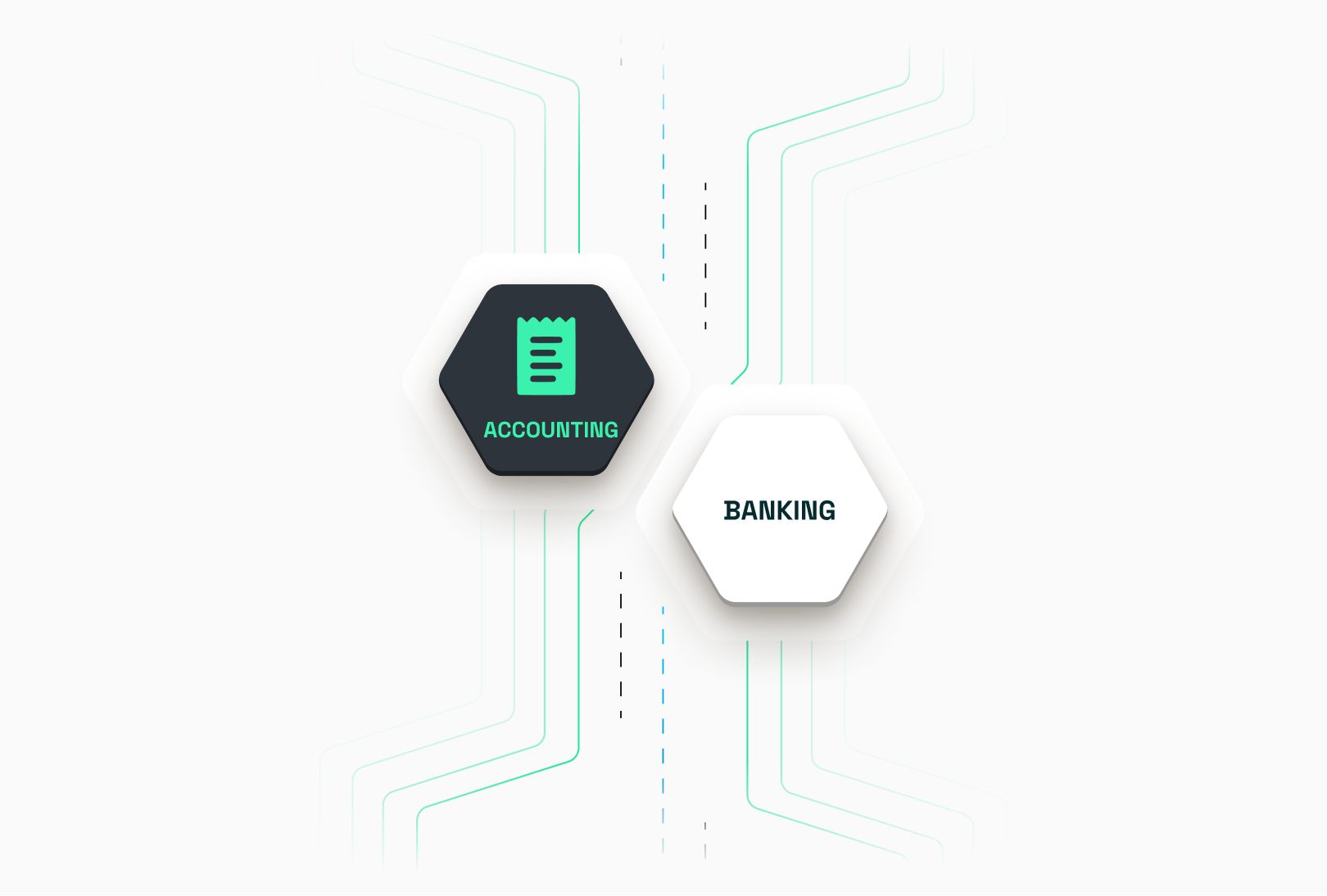
The PA is a transmission channel between businesses and towards the tax authority. However, these platforms do not automatically forward information to the company's accounting system. Paradoxically, without integrations between the PA and the accounting tool, the process remains "manual" despite the e-invoicing reform. Yet it is the business ( and therefore often its accountant) that remains responsible for validating VAT.
Meanwhile, the merchant has an accountant, internal or external, who must monitor activity, prepare VAT returns, and close the books. That accountant works in software that the PA does not feed. If the POS does not send data directly, continuously, and in the right format, they continue working with manual exports and files sent by email.
This is where the frequency of e-reporting changes everything. Depending on the filing regime, businesses will need to transmit their data every 10 days for a monthly regime, or every month for a quarterly regime. Compared to current practices, that is a frequency multiplied by three.
A merchant manually extracting their POS data every 10 days to send to their accountant, and an accountant reprocessing it each time to produce a return, that is an unmanageable process. The question is not whether this will hold up; it simply won't.
The gap between POS data and accounting systems has always existed. It was tolerable at the old cadence. It becomes untenable at the new one, and the responsibility for this disorganisation will fall on the POS software the merchant uses.
The accountant remains essential and e-reporting doesn't change that
A good way to understand what e-reporting changes is to think about pay-as-you-earn income tax. The state collects tax in real time, directly from wages. It therefore has a continuous, pre-calculated view of what it is owed at a national level. But no one eliminates the annual tax return as a result. Why? Because withholding at source is an approximation. It is the taxpayer, often with the help of an advisor, who makes the correction at year end using all the actual information.
E-reporting works in exactly the same way. The DGFiP will have a frequent, pre-calculated picture of VAT collected across the country. But it is the business, and its accountant, who will remain responsible for final consistency: verifying that the data transmitted matches the reality of the business's activity, correcting discrepancies, and reconciling flows. To do this work, accountants need access to the same data that was sent to the DGFiP, directly within their production tools. An accountant who only sees their client's data once a quarter will simply no longer be able to fulfil this role as guarantor and advisor.
What Chift does in practice
The POS publisher has a responsibility: to evolve its exports or API to produce the e-reporting data required by the administration. Chift has digested the full body of regulatory specifications and translated them into clear technical documentation, so that publishers know exactly what data they need to expose (see the technical documentation).
These specifications are built on the French framework (the most immediate) but the expected data structure follows a European logic. Publishers who comply today are laying the foundations for compliance that will extend well beyond national borders.
The POS exposes the right data, and from there, Chift takes care of everything.
How?
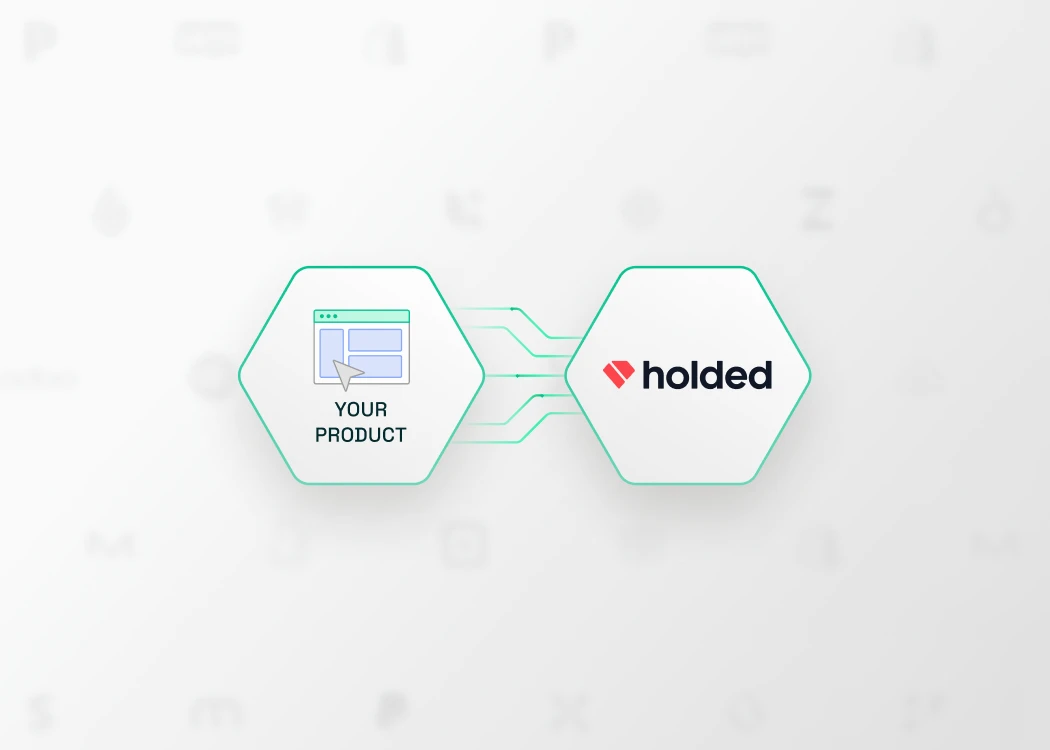
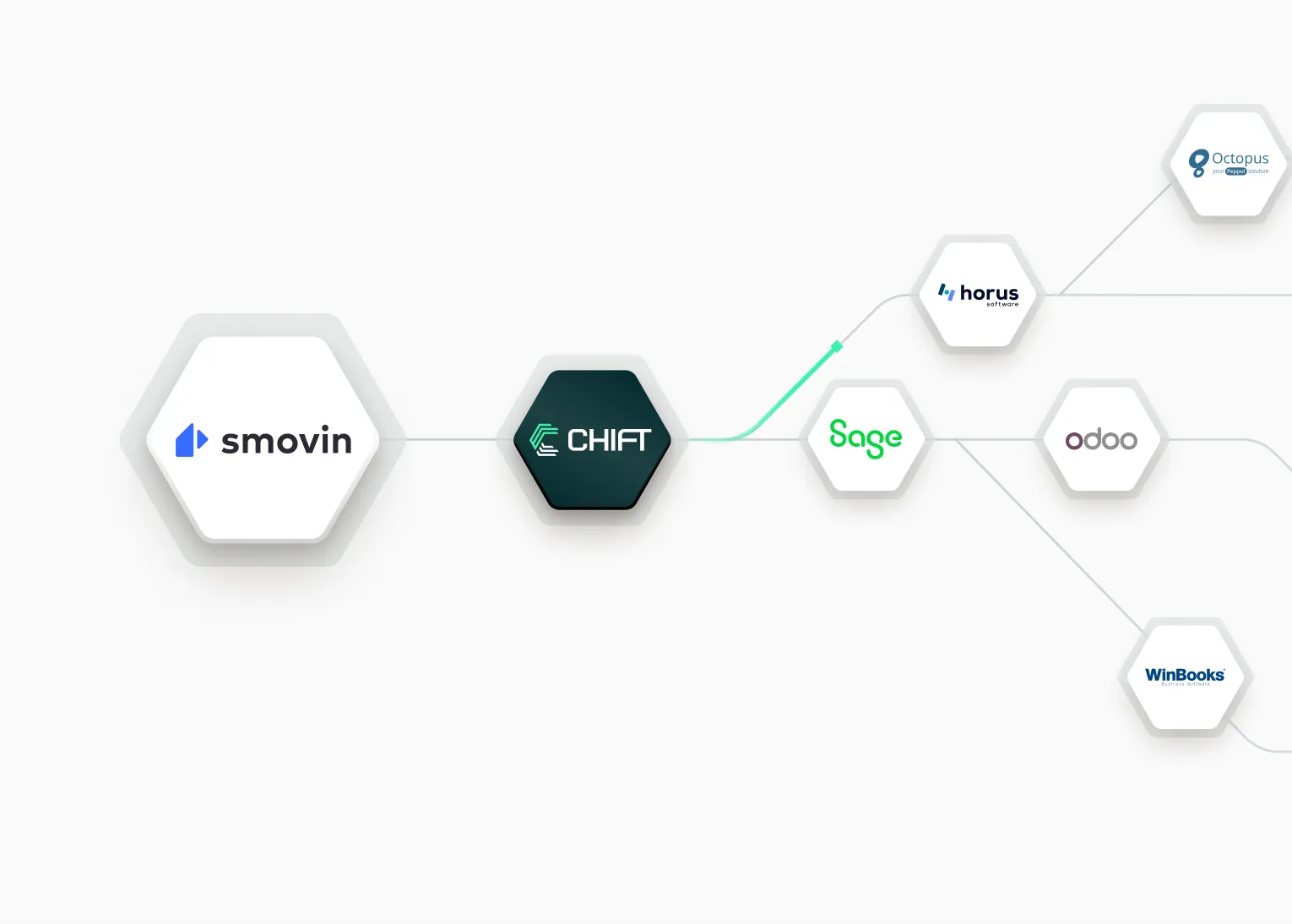
Chift connects to the POS, retrieves this data, and automatically distributes it to all accounting software on the market, with the correct VAT breakdown, the correct qualification of each transaction, and the correct payment method. Zero integrations to build, zero maintenance to plan on the POS publisher's side.
In cases where the accounting connection is insufficient, or not possible, Chift offers direct connectivity with an Accredited Platform (PA). The POS publisher can thus guarantee data transmission to the DGFiP in all scenarios, without having to source or integrate a PA themselves. Chift manages the partnerships and handles the technical side; the POS publisher simply activates the connectivity after contracting with the provider of their choice.
The result
Complete coverage, from POS data through to accounting ( and through the DGFiP) for every possible scenario.
What this means for POS publishers
A merchant should not have to think about e-reporting, let alone experience it as a burden. Properly handled, it is an opportunity to digitalise processes that are still too manual, and to focus on what they do best.
That is the role a POS system can play: turning this regulation into a seamless experience, even a genuine time-saver, for its customers.
Publishers who take on this role become reference partners, both for their clients and for accountants. The latter need POS systems that feed their software with reliable, continuous data. Those who meet this requirement today will set the standard. The rest will struggle.
The timeline is non-negotiable. The question is who will be ready.
Ready to make your POS e-reporting compliant? Let's talk.



.jpg)


.jpg)
.jpg)
.jpg)
.jpg)
.jpg)
.jpg)
.jpg)
.webp)
.webp)
.webp)






.webp)





.avif)


