Why teams look for an Apideck alternative
Apideck is a unified API that offers seven unified APIs and 200+ connectors across accounting, ERP, e-commerce, CRM, HRIS, ATS, file storage and issue tracking, with real-time data retrieval from the source on each call and public pricing.
The friction tends to show up in three places as your product grows:
- Pricing that scales with adoption. Apideck charges per connected consumer and gates categories by plan. Launch starts at $599/month for 25 consumers and one unified API. Scale starts at $1,299/month for 100 consumers and three unified APIs, and it's the first plan that lets you map custom fields.
- Real-time only. There's no synced store for heavy analytical or paginated queries. For apps without native webhooks, virtual webhooks poll every 24 hours by default.
- Shallow financial depth. Apideck has an horizontal approach, covering large scopes but not allowing for deep knowledge and expertise. Resulting in less specific connectors and less endpoints supported.
Here are five Apideck alternatives worth evaluating in 2026, and what each one is genuinely good at.
1. Chift: best for real-time financial connectivity in Europe and AI agents
Chift is the integration platform that brings business software together. One integration gives you 150+ connectors across six unified APIs: accounting, invoicing, POS, e-commerce, payments and PMS. Chift handles authentication, data mapping, rate limits and maintenance, so your engineers integrate once and move on.

Where Apideck goes wide, we go deep in the financial and operational categories a SaaS or fintech actually ships on.
Pros
- Real-time by default, synced when you need it. Every call does a live round-trip to the source. Any connection can switch to our opt-in data layer, a synced copy built for heavy analytical and paginated queries, with your integration code unchanged.
- On-premise software, connected like cloud software. Our local agents make real-time calls into software running on a client's own server, including Sage 100 FR, Sage 200 ES and a3ERP. For your end user it's a one-time install. For you it's just another connector.
- The categories Apideck stops short of. Hospitality needs PMS, retail needs POS, field services need invoicing. We cover all three, plus payments, through the same contract.
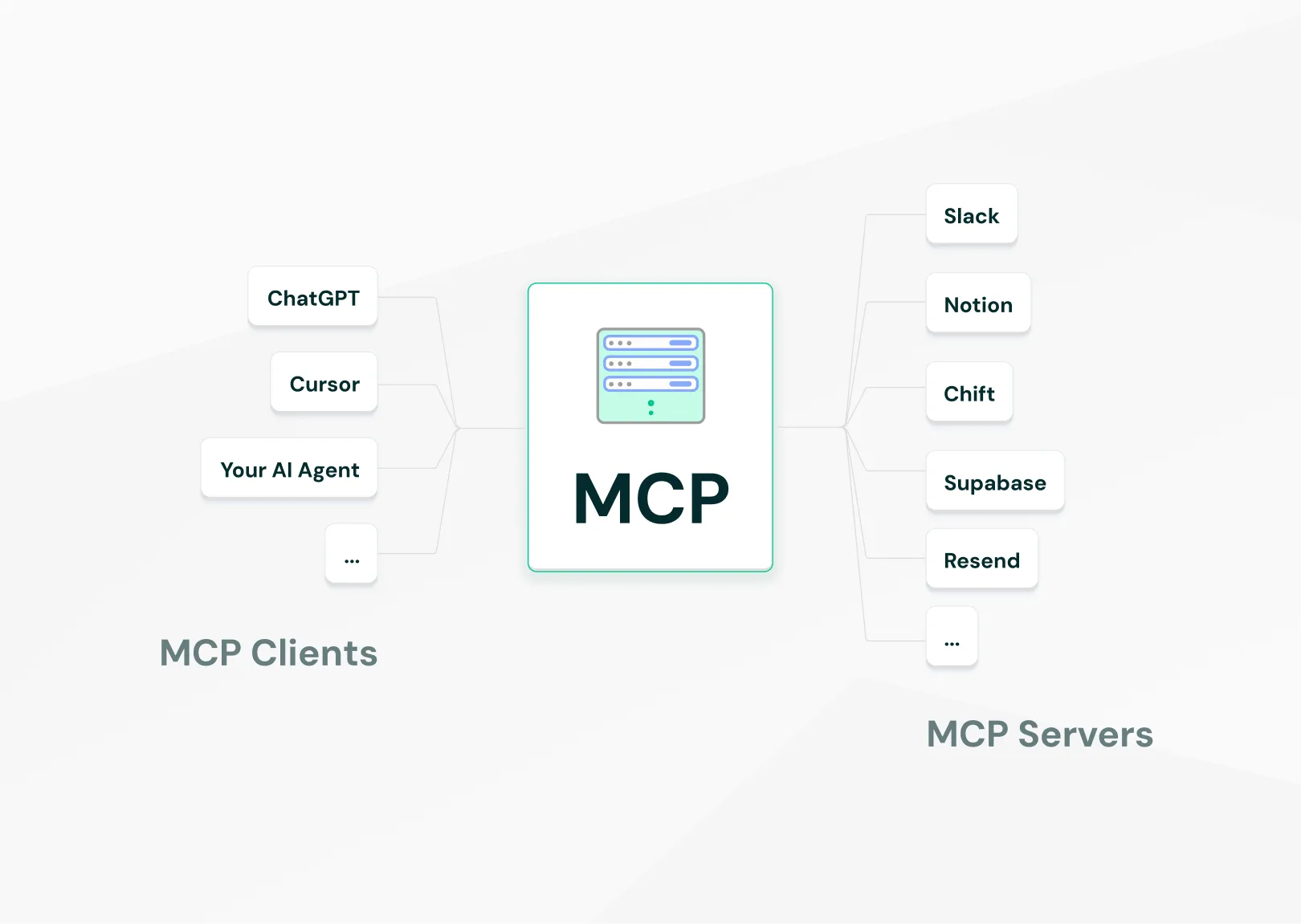
- AI agents that stay inside the lines. Our MCP server runs on a governed semantic layer, so a model picks from curated measures instead of writing raw SQL. It can't invent fields, cross tenant boundaries, or add two currencies into one total.
- Ready-made flows for non-technical teams. Agentic Syncs give you bidirectional flows that go live in minutes, without writing integration code.
- European coverage built market by market. Pennylane in France, DATEV in Germany, Exact Online in the Netherlands, WinBooks in Belgium, a3ERP in Spain, and the long tail behind each. Servers hosted in Europe, ISO 27001 certified, GDPR built in.
- Support that speaks both languages. Engineering and commercial questions, answered by people who've shipped these connectors themselves.
Cons
- No HRIS, ATS, CRM, file storage or ticketing APIs. If people data is core to your product, you'll need a second platform alongside us.
- Our connectors are European focused. If your roadmap is US-first, other platforms have more coverage there.
Best for: fintechs, accounting tech, vertical SaaS, banks and finance AI agents with customers in Europe.
"Thanks to Chift's unified API, we delivered 4 finished integrations in less than 4 to 6 weeks. That's about 10x faster."
Ashleigh Auld, Strategic Partner Marketing Manager, Pleo
Read how Pleo accelerated its go-to-market with us.
2. Merge: best for HR and ATS data at enterprise scale
Merge is a horizontal unified API with strong HRIS and ATS coverage, running on a sync-and-cache architecture. It pulls your customers' data into its own store, normalises it there, and serves your reads from it.
Pros
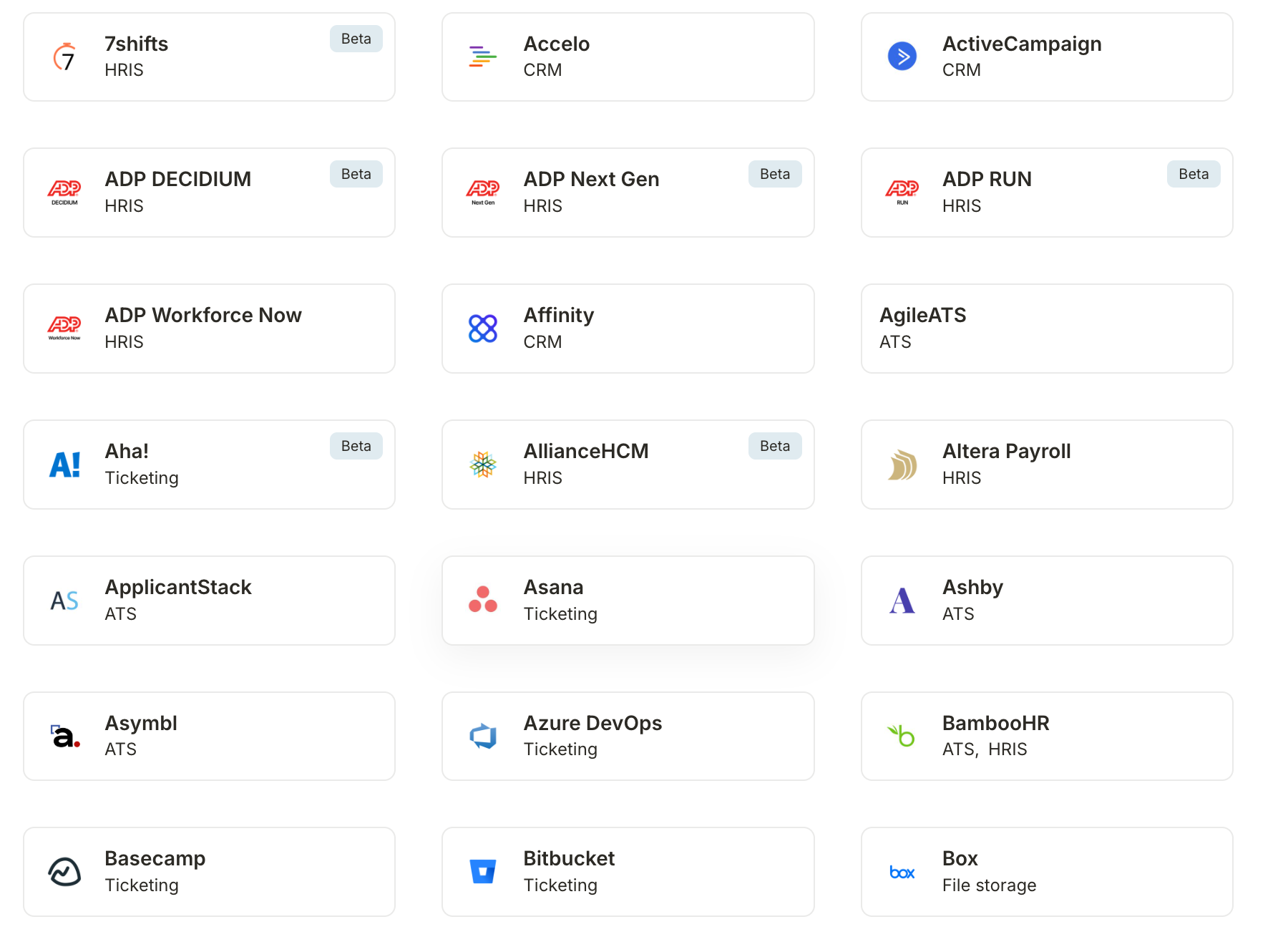
- Deep HRIS and ATS catalogues, including Workday, ADP and BambooHR.
- Fast reads and reliable webhooks, because queries hit Merge's store rather than the source.
- Mature observability dashboards and a hosted MCP server.
Cons
- A copy of your customers' data sits on Merge's infrastructure, which adds weight to security reviews in fintech.
- Accounting covers roughly a dozen cloud platforms, with no POS, payments, invoicing or PMS.
- Pricing per linked account climbs quickly as adoption grows.
Best for: HR tech and US-centric SaaS teams that want cached data and enterprise support. Read our Merge alternatives comparison for more.
3. Codat: best for lenders and banks underwriting SMBs
Codat connects banks, lenders and fintechs to their small-business customers' financial systems. It integrates with around 30 accounting, ERP, banking and commerce platforms and packages them into lending, bank feeds and spend-analytics products.

Pros
- Purpose-built products for lending, bank feeds and spend analytics, not just raw connectivity.
- Real on-premise support through white-labelled Windows connectors for QuickBooks Desktop and Sage 50 UK and Ireland.
- UK data residency, with mature enterprise-grade logging and monitoring.
Cons
- The product maps to underwriting, not to a SaaS vendor shipping integrations to its own customers.
- Sync-and-cache only, so a copy of your customers' financial data sits in Codat's infrastructure.
- On-premise coverage targets UK and US desktop software rather than continental European systems.
- Fully custom pricing, which slows down early evaluation.
Best for: banks and lenders in the UK and US extracting structured financial data from SMBs for credit decisions or analytics.
4. Rutter: best for US commerce fintechs
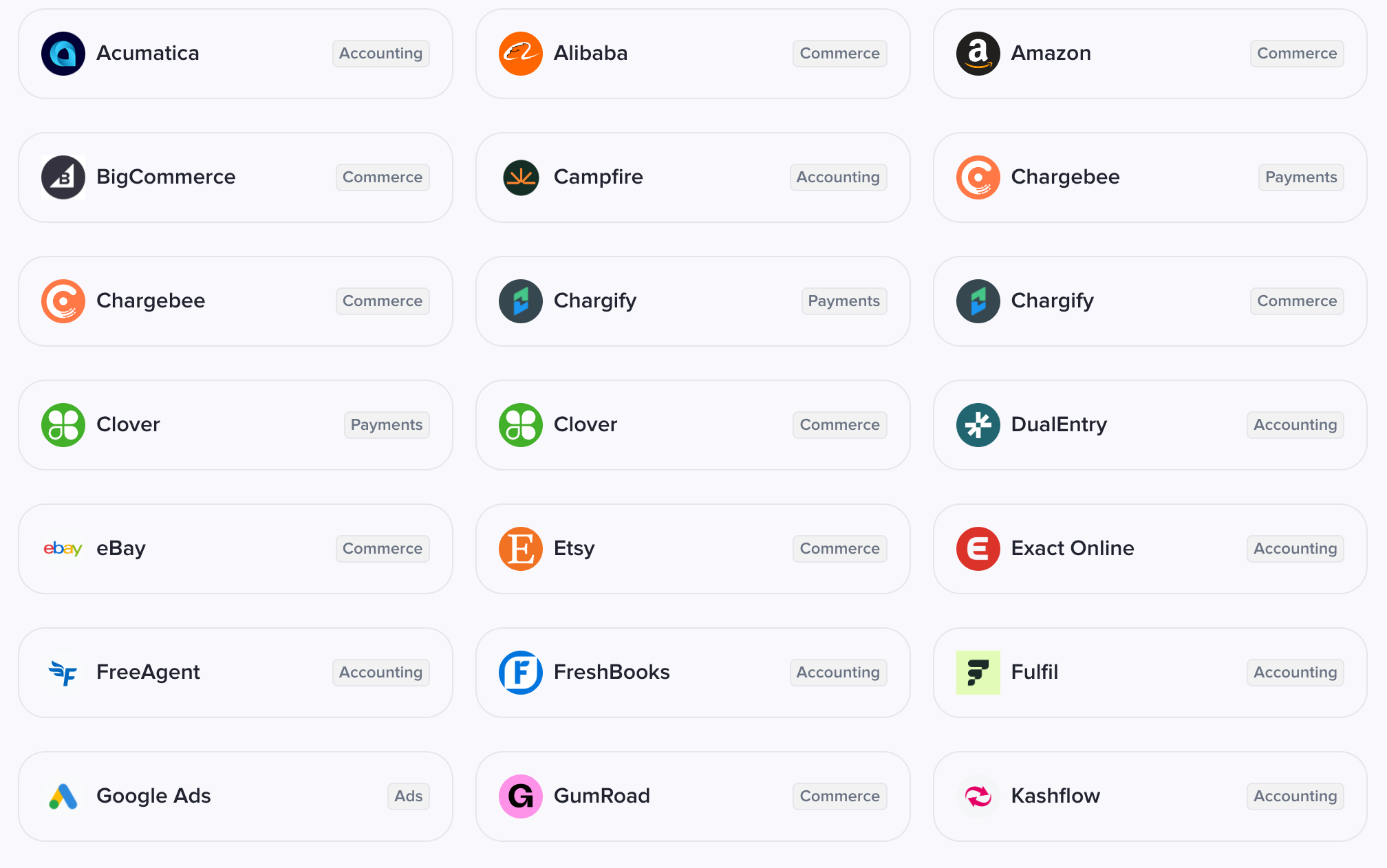
Rutter is a sync-and-cache unified API covering 60+ accounting, commerce, payments, ads and bank feed platforms, with a clear fintech and lending orientation.
Pros
- Commerce data models built for merchant underwriting, with Shopify, Amazon and Stripe alongside QuickBooks, Xero and NetSuite.
- Synchronous writes, so users see confirmation as soon as a transaction posts.
- Packaged products for lending, underwriting and spend insights.
Cons
- A narrower catalogue than Apideck, and thin on European accounting software.
- No hosted MCP server to build against.
- Cached copies of financial data on Rutter's side.
- No POS, PMS or on-premise coverage.
Best for: US fintechs and lenders underwriting e-commerce merchants.
5. Nango: best for teams that want to own the infrastructure
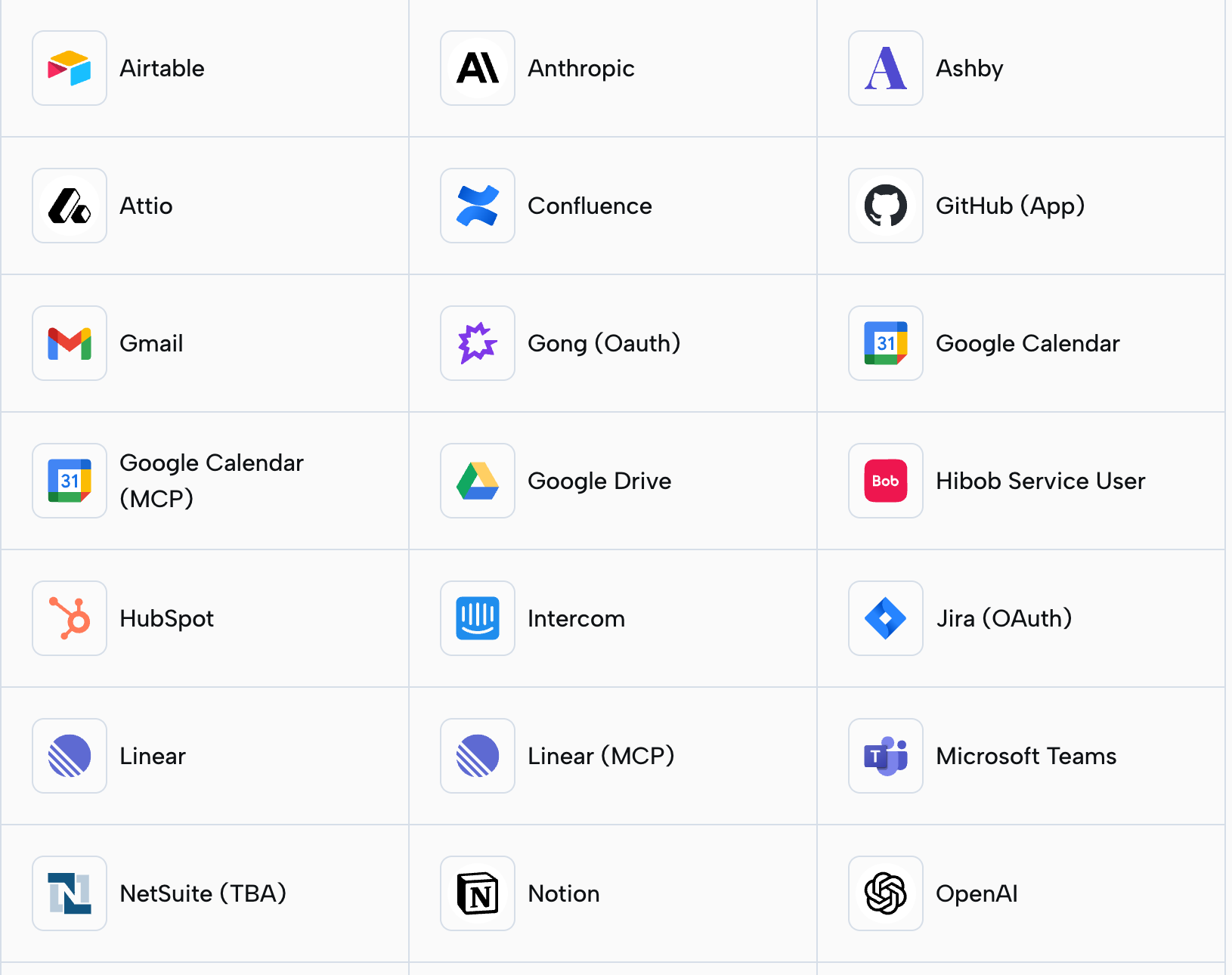
Nango is the open-source, code-first option. Rather than handing you fixed schemas, it gives you auth across hundreds of APIs and lets you write the integration logic as TypeScript functions you version and deploy yourself.
Pros
- Open source and self-hostable, with no vendor lock-in on your data models.
- Full control over field mappings and sync logic, which solves the custom-field problem by design.
- A native MCP server, so the same platform powers agent tool calls and product integrations.
Cons
- You build the unified layer. Nango doesn't hide the source APIs' quirks, and that work is smaller with AI coding agents but never zero.
- Functions, syncs and the MCP server need a paid plan, and full self-hosting is an Enterprise arrangement.
- Self-hosting moves uptime, security and compliance onto your team.
- No pre-built depth in European accounting software, and no on-premise agent for desktop ERPs.
Best for: engineering teams with DevOps capacity, strict data residency needs, or integrations central enough that owning the logic beats renting a schema.
How to choose the right Apideck alternative
For fintechs and financial software in Europe: Chift. We cover accounting, invoicing, payments, POS, e-commerce and PMS through one contract, with the local software European SMBs actually run their books on.
For vertical SaaS: this is where Apideck's coverage thins out fastest. Hospitality needs PMS, retail needs deep POS, field services need invoicing. Chift covers all of them alongside accounting.
For banks and lenders: Codat has the longer track record in UK and US underwriting, and Rutter fits US commerce lending. Chift covers continental Europe market by market, including on-premise software.
For HR and people data: Merge if your customers are mostly US and you need Workday or ADP depth. Apideck itself remains a good fit if you need HRIS and CRM next to accounting.
For maximum control: Nango, if you have DevOps capacity and want to write and own every mapping.
For products with AI features: Chift, Merge, Apideck and Nango all expose connectors over MCP. The difference is what happens when an agent touches financial data. Our MCP server sits on top of the data layer, so agents answer questions like revenue per month or receivables by client in seconds, without hammering the source ERP, and through a semantic layer that blocks invented fields and mixed currencies.
The pattern underneath is the same. Horizontal platforms give you breadth with shallow depth in any single category. Focused platforms give you depth in a category that may or may not be yours. The question isn't which platform is best. It's which one was built for the data your product runs on.
Frequently asked questions
Is there an Apideck alternative that covers PMS and payments?
Yes. Apideck has no PMS or payments API. Chift covers both, alongside accounting, invoicing, POS and e-commerce, so one vendor handles your financial and operational data.
Which Apideck alternative supports on-premise accounting software?
Chift and Codat. Codat ships white-labelled Windows connectors for QuickBooks Desktop and Sage 50 UK and Ireland. Chift's local agents cover continental European desktop software, including Sage 100 FR, Sage 200 ES and a3ERP.
Which alternatives offer both real-time and synced data?
Chift. Every call is live by default, and any connection can switch to the synced data layer without changing your integration code. Merge, Codat and Rutter serve cached data, while Apideck is real-time only.
How hard is it to migrate away from Apideck?
Most unified APIs follow similar REST patterns, so remapping your calls to a new schema usually takes days rather than weeks. The bigger question is whether your end users need to re-authenticate, so ask any platform you evaluate about token migration first.
Do I need a separate platform for AI agents?
Not necessarily. Chift, Apideck, Merge and Nango all expose connectors through MCP. What differs is the governance behind it: Chift's semantic layer keeps an agent from inventing fields or mixing currencies in a total.